Article 5:
Visual and film techniques:
Visual:
In this section we will explore visual techniques! These will come in handy both for short answer responses with an image stimulus and also for films that you may be analysing in class! This list covers both compositional techniques; how elements in an image or still are organised or framed, and appearance, how these elements are presented through lighting, colour, etc.
Here is an example sentence to help you apply these techniques to your own writing! Make sure you address the Quote, Technique, Effect on the audience and its broader effect on the overall meaning of the text, linking back to your relevant question.
The director makes use of low angled perspective in the chosen shot to convey the character’s power over the situation. This confronts the viewer and creates a feeling of vulnerability, forcing emotional immersion.
| Visual techniques: Composition and Appearance | |||
|---|---|---|---|
| Technique | Definition | Example | Effect |
Contrast | Use of opposite elements, e.g. colour or size within a frame |
Vividly contrasted complementary colours in Van Gogh’s Wheatfield with Crows |
|
Tone colours | Relative lightness or darkness of colours used generally by ‘greying’ of original hues (e.g. muted, un/saturated, subtle, etc.) |
Dark, muted colours used in Goya’s The Pilgrimage to San Isidro |
|
Salience | Making a specific element stand out through the use of other visual techniques such as lighting or colour |
Attention drawn to the figure through use of colour contrast and leading lines In Hopper’s Automat |
|
Text | Use of words within an image |
Edward Miller’s We Can Do It |
|
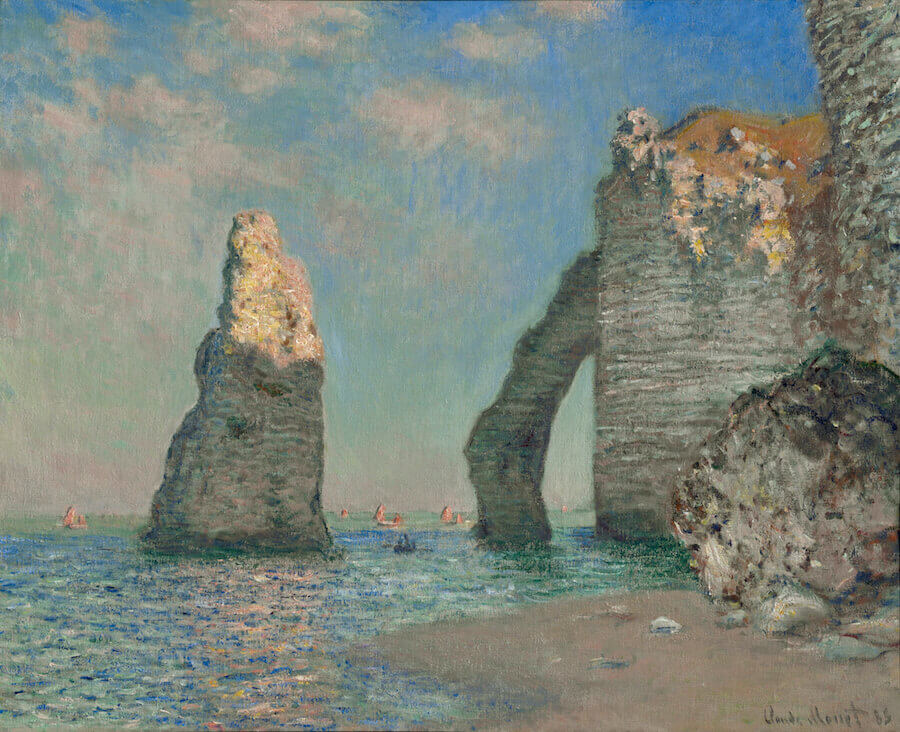
Rule of thirds | A compositional arrangement that splits the image into a 3x3 grid, placing key elements along the lines or points of intersection |
Cliffs at Etretat by Claude Monet |
|
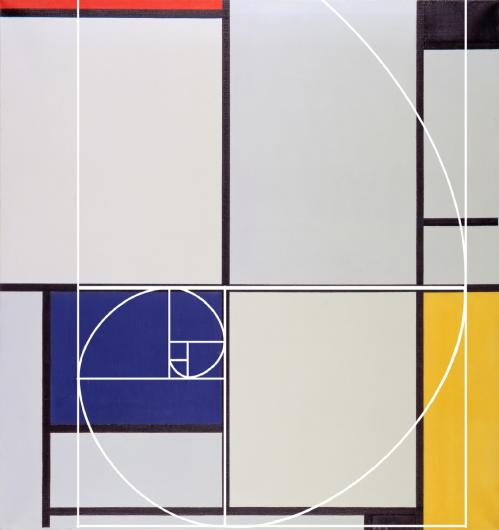
Golden ratio | A compositional arrangement visualised as a spiral defining where salient elements are placed |
Piet Mondrian’s Tableau 1 |
|
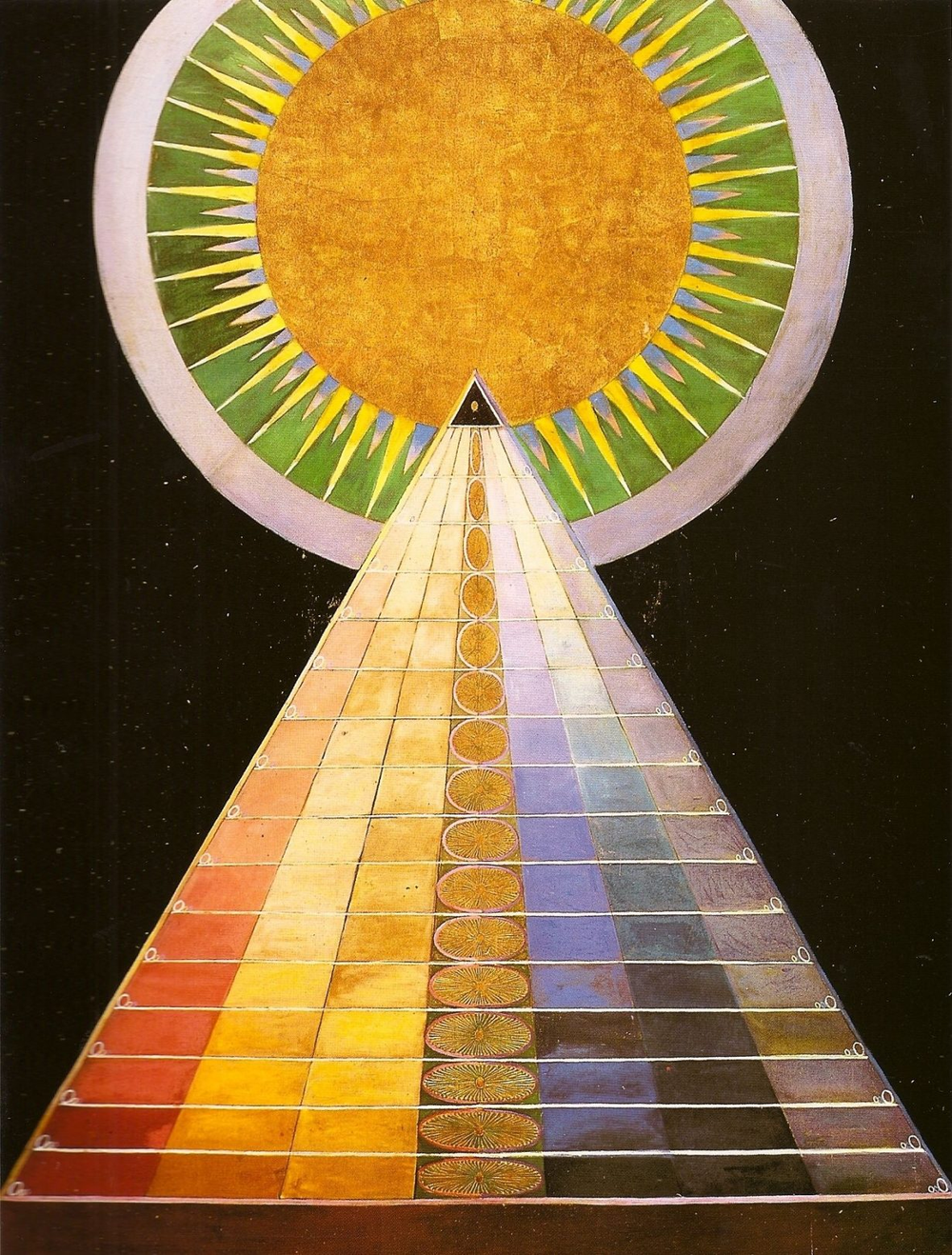
Vectors | Lines or shapes that guide the viewer’s eye to a focal point |
Leading lines draw viewer focus to the top of the frame in Untitled by Hilma af Klint |
|
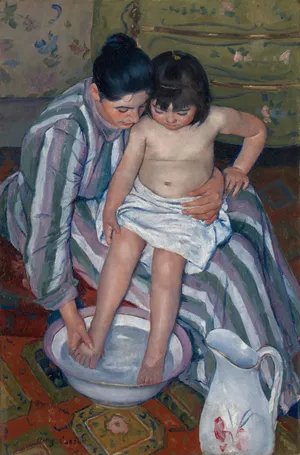
Point of view | The position or angle that the subject is viewed by |
High angle perspective in The Child’s Bath by Mary Cassatt |
|
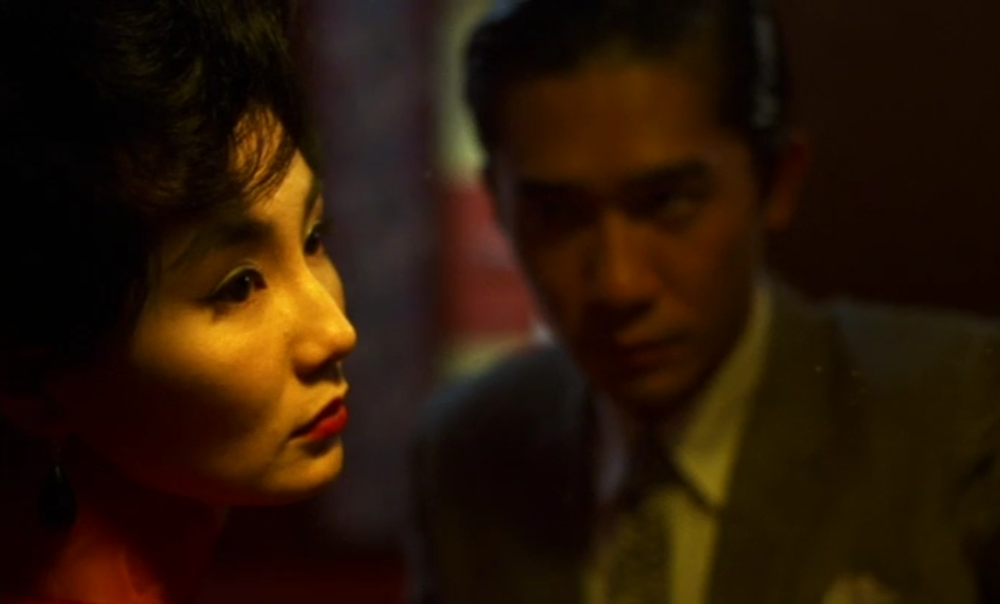
Lighting | Use of light and shadow to control the appearance of a visual subject (e.g. high contrast, low-key, etc.) |
Low key lighting in a still from Wong Kar-wai’s In the Mood for Love |
|
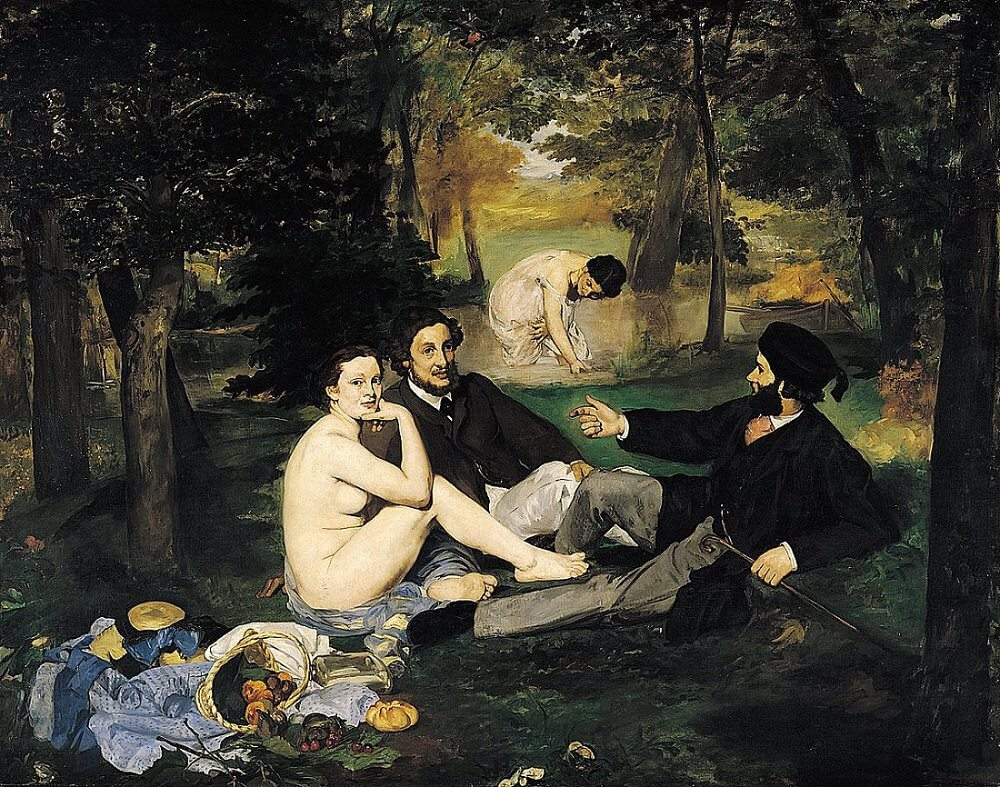
Gaze | The direction a subject within the image is looking often to create salience |
Direct gaze in Manet’s Le Déjeuner sur l'herbe |
|
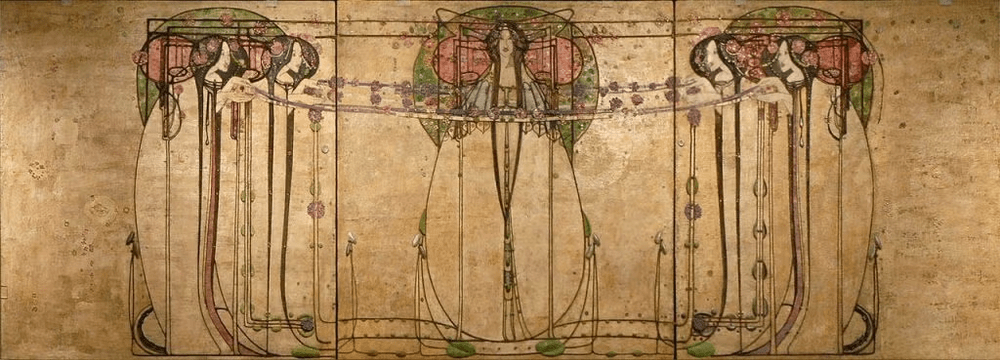
Symmetry | A compositional arrangement where elements are mirrored across a central, invisible line |
Margaret Macdonald Macintosh’s The May Queen |
|
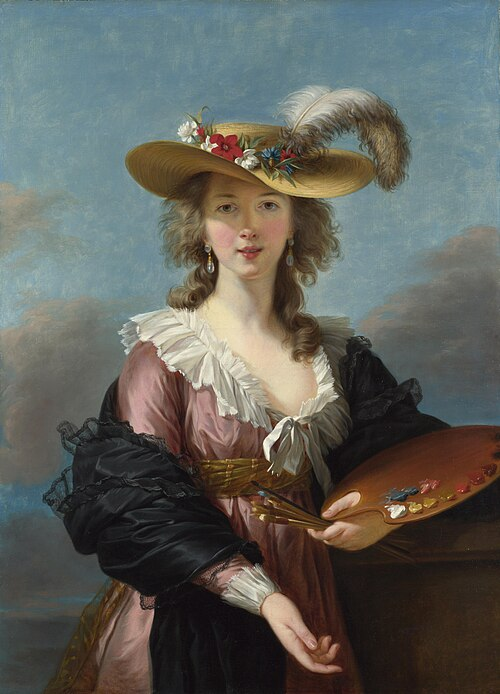
Negative space | Empty, unused space within the image |
Negative space in Élisabeth Vigée Le Brun’s Self-portrait in a Straw Hat |
|
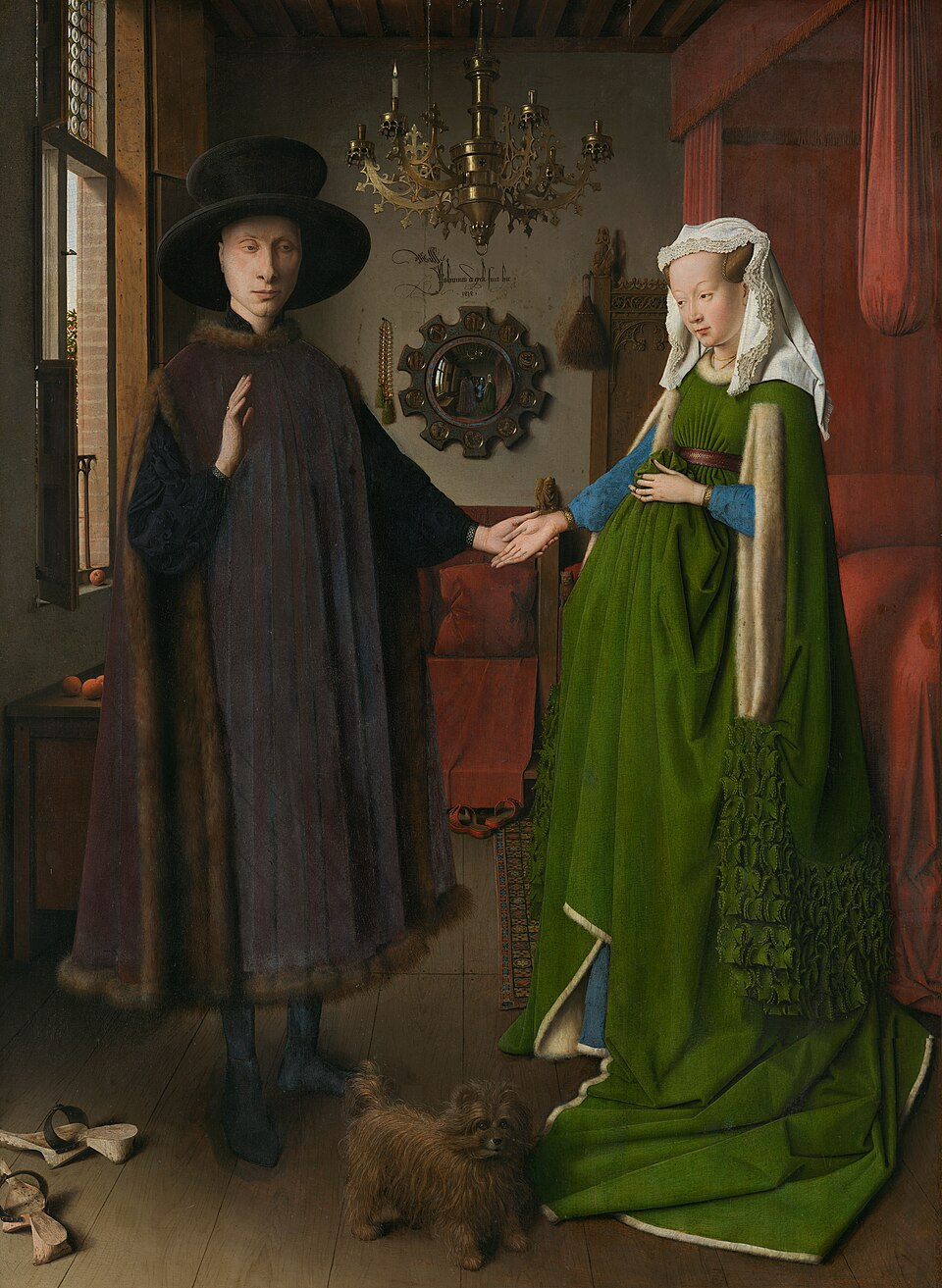
Depth | Creation of 3D space through layering, scale, perspective, etc. |
Depth in The Arnolfini Portrait by Jan van Eyck |
|


Film:
These film techniques build on from the Visual techniques we just discussed to further analyse specific film techniques you may come across in class! These techniques help shape how a film is perceived by an audience, giving us hints into what emotions or meanings the author may be trying to convey!
| Mis-en-scene | ||
|---|---|---|
| Technique | Definition | Effect |
Setting | Where the scene takes place, including the time period, environment and location |
|
Costume | Clothing, makeup and accessories worn by actors |
|
Staging (movement and performance) | Arrangement of actors, props and other elements within a frame |
|
| Editing | ||
|---|---|---|
| Technique | Definition | Effect |
Cut | An instant transition from one shot to another |
|
Fade in/out | A gradual transition to/from the shot from black |
|
Dissolve | A gradual transition where one frame overlaps and replaces the other |
|
Wipe | A transition where one shot replaces another by shifting to the left or right |
|
Continuity editing | A cutting style that draws attention away from editing through seamless transitions, often maintaining consistent compositional elements or action |
|
discontinuity editing | Editing that breaks continuity rules, often seen through changing composition between shots |
|
Dolly shot | A shot created as a camera is moved towards, away from, or alongside the subject along a track |
|
Zoom | A shot created as a camera’s focal length is changed to make the subject appear closer without moving the camera itself |
|
| Music and Sound | ||
|---|---|---|
| Technique | Definition | Effect |
Diegetic | Sound that can be heard by both the characters and the audience |
|
Non-diegetic | Sound that can only be heard by the audience |
|
Ambient audio | Background noise |
|
Leitmotif | A short musical motif or phrase associated with a specific character, setting, or theme |
|
Musical transitions | Where music or sound from the preceding or following scene overlaps into the other |
|